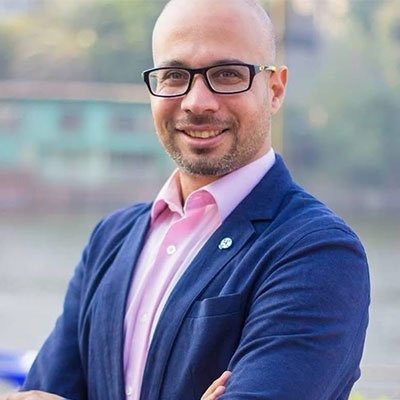
Ahmed Maher
A civil engineer and researcher in international relations with over 20 years of experience in construction project management, as well as network infrastructure, water treatment, and recycling projects. He has been actively engaged for more than 15 years in supporting democratic transition and human rights and has participated in numerous initiatives related to environmental justice and addressing climate change. He holds a bachelor’s degree in civil engineering, along with several specialized diplomas in political science, civil society, and NGO management. He was a co-founder and coordinator of the April 6 Youth Movement and a member of the Coalition of Revolutionary Youth. He is currently pursuing a master’s degree in international relations at the Faculty of Economics and Political Science, Alexandria University.
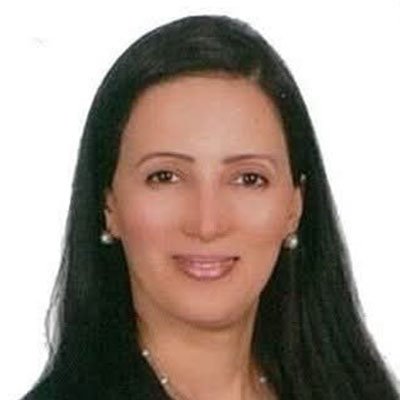
Saneya Elfiky
Researcher at the Economic Unit of the Al-Ahram Center for Political and Strategic Studies. She previously worked as a researcher at the Alternative Policy Solutions Center; a research initiative affiliated with the American University in Cairo. Her research interests focus on public policy and development issues, as well as Egypt’s international economic relations with Africa. She has authored numerous articles and studies on health, education, and poverty policies in Egypt, in addition to economic and trade relations with Nile Basin countries.

Ahmed El-Tir
is a real estate and investment professional with a strong focus on finance, policy, and cross-border capital flows. He holds a Master of Science in Commercial Real Estate Finance & Investment from New York University and a bachelor’s degree in political science from Trinity College. Ahmed has worked in roles involving underwriting, financial modeling, and asset-level analysis within real estate and investment, with experience spanning both U.S. and Middle Eastern markets. He is particularly interested in the intersection of public policy and capital markets, including how regulatory frameworks, housing policy, and investment structures shape real estate development and economic growth.
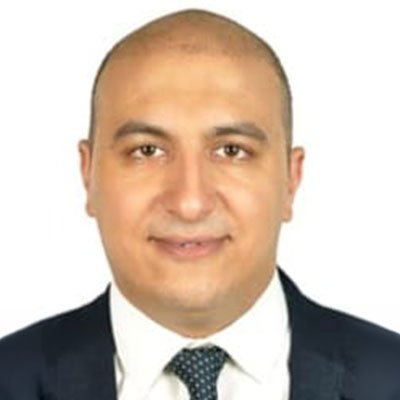
Omar Ezzelarab
A healthcare and public policy leader with over a decade of experience in health systems reform, hospital operations, digital transformation, and quality improvement. He is currently pursuing a master’s in public administration at Harvard Kennedy School as an Edward S. Mason Fellow and is a participant in the Child Protection Program at the FXB Center for Health and Human Rights. His work has focused on advancing healthcare delivery, accreditation, and digital transformation across major public and hospital systems in Egypt
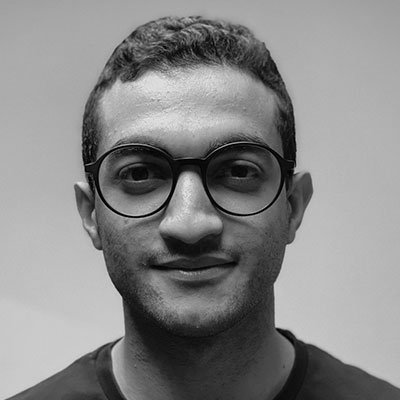
Mahmoud Saeed
A research and evaluation professional working at the intersection of development economics, public economics, and evidence-based policymaking. His work focuses on generating and applying rigorous evidence to inform policy design, implementation, and evaluation, with particular emphasis on how data and empirical methods can improve the effectiveness and accountability of public interventions. He has contributed to many impact evaluations and policy-relevant research in the MENA region and collaborated with international partners and engaged in applied policy analysis. Mahmoud holds a master’s degree in public policy and dual bachelor’s degrees in economics, which have provided him with a strong foundation in economic analysis and quantitative methods. His experience spans impact evaluation, data analysis, and policy research, reflecting a consistent interest in advancing data-driven approaches to public policy that are both methodologically sound and contextually grounded.